
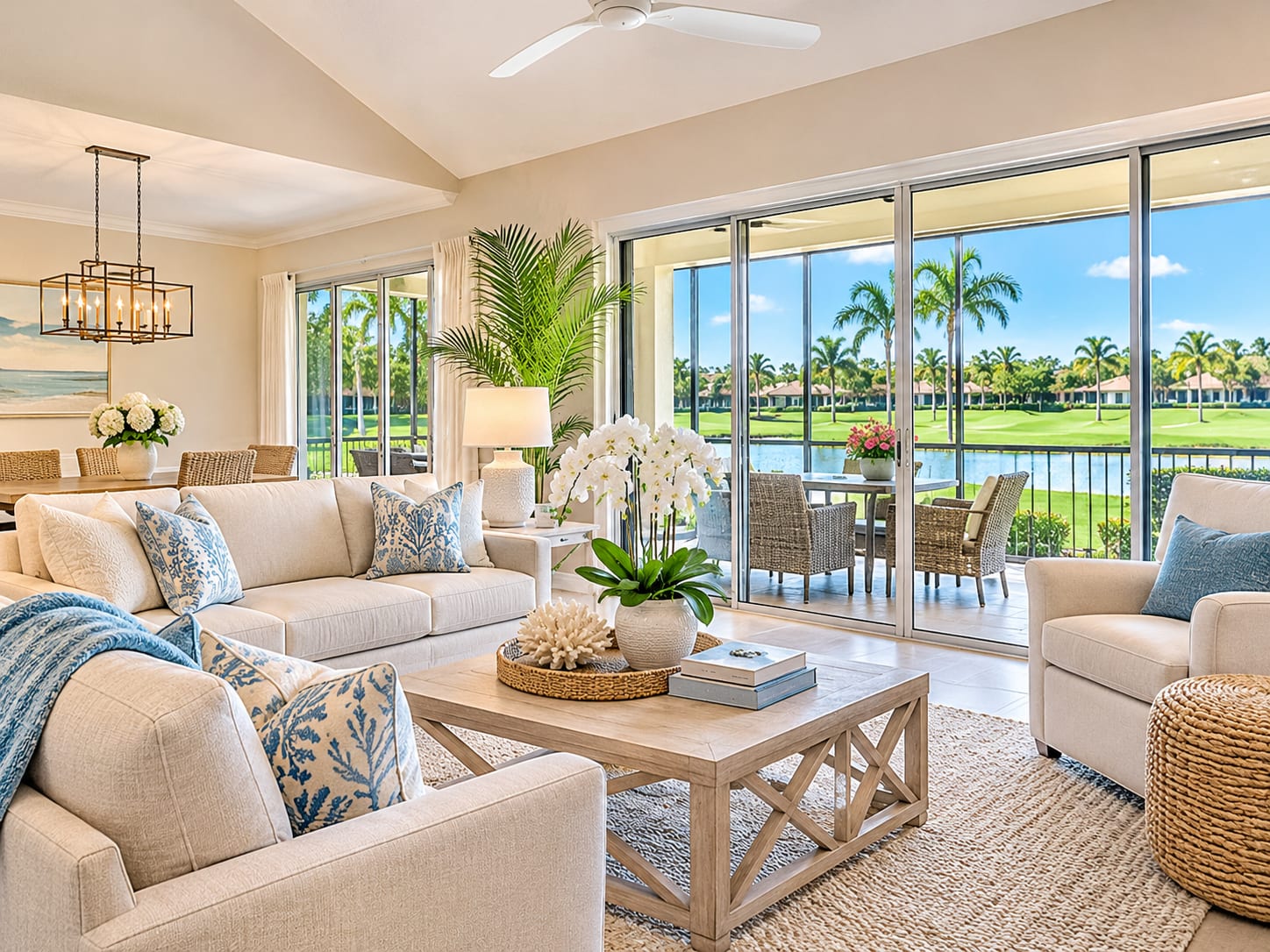

Same Neighborhood. Similar Homes. Very Different Results.
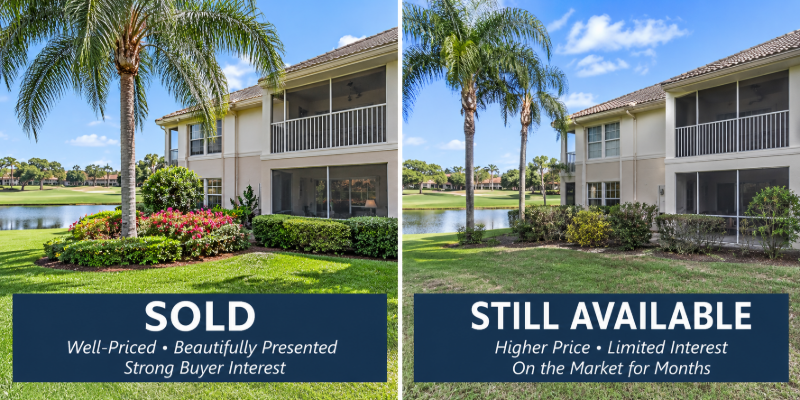
Have you ever wondered why two similar homes in the same community can have completely different outcomes? One attracts serious buyer interest and moves toward a sale, while the other sits on the market for months.
They're in the same neighborhood, perhaps even the same condominium building. They may have similar square footage, floor plans, and amenities.
So what's making the difference?
Buyers Compare Value, Not Just Price
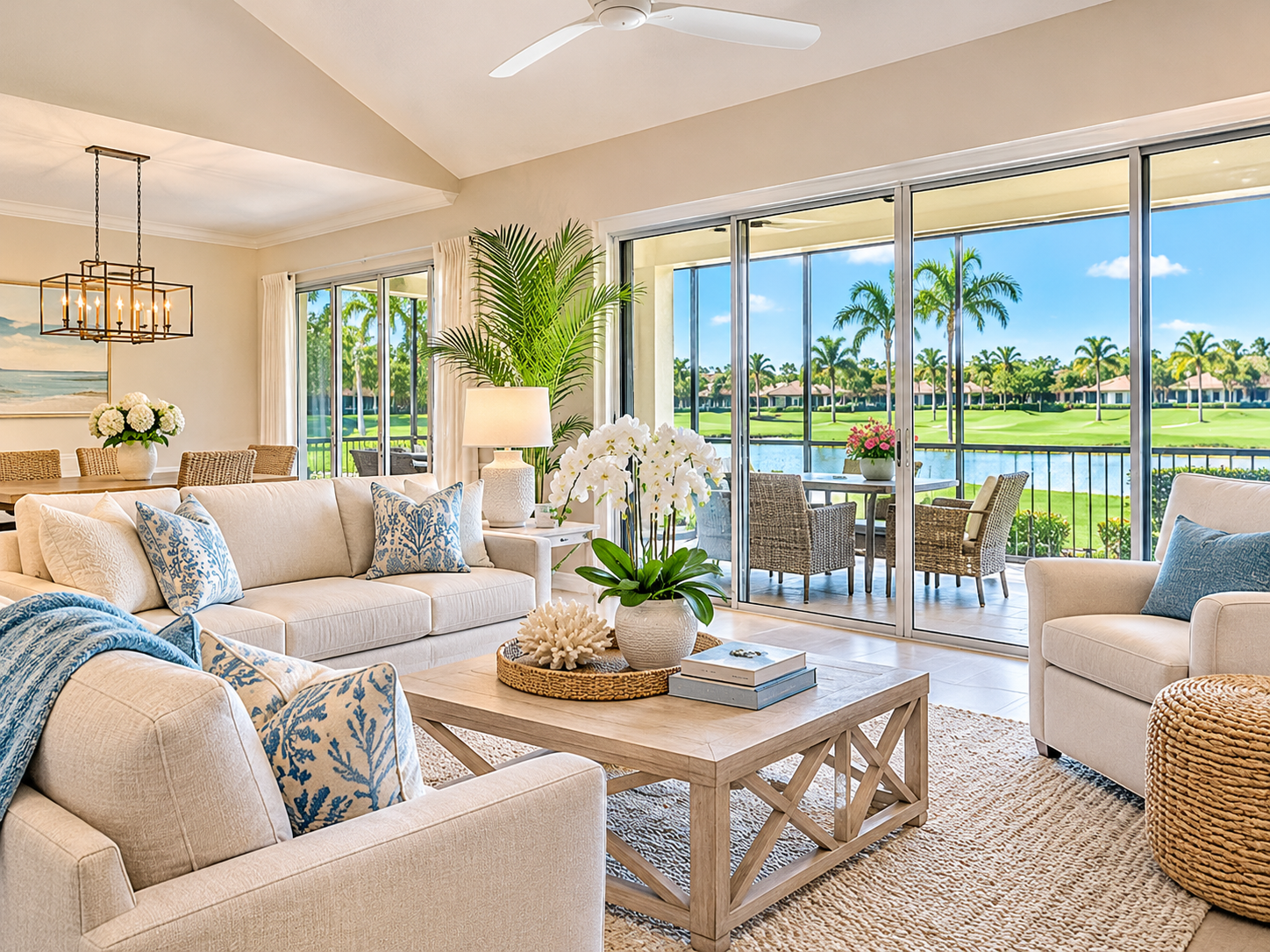
Today's buyers have access to an incredible amount of information. Before scheduling a showing, they're comparing properties online, studying photographs, reviewing upgrades, and evaluating what their money can buy.
A beautifully maintained home with desirable views, tasteful improvements, and thoughtful presentation may justify a higher price than a similar property needing considerable updating.
But here's the important distinction: A home doesn't have to be the least expensive to represent the best value.
The asking price still needs to make sense when compared with the alternatives available to buyers.
The Difference Between Asking Price and Market Value
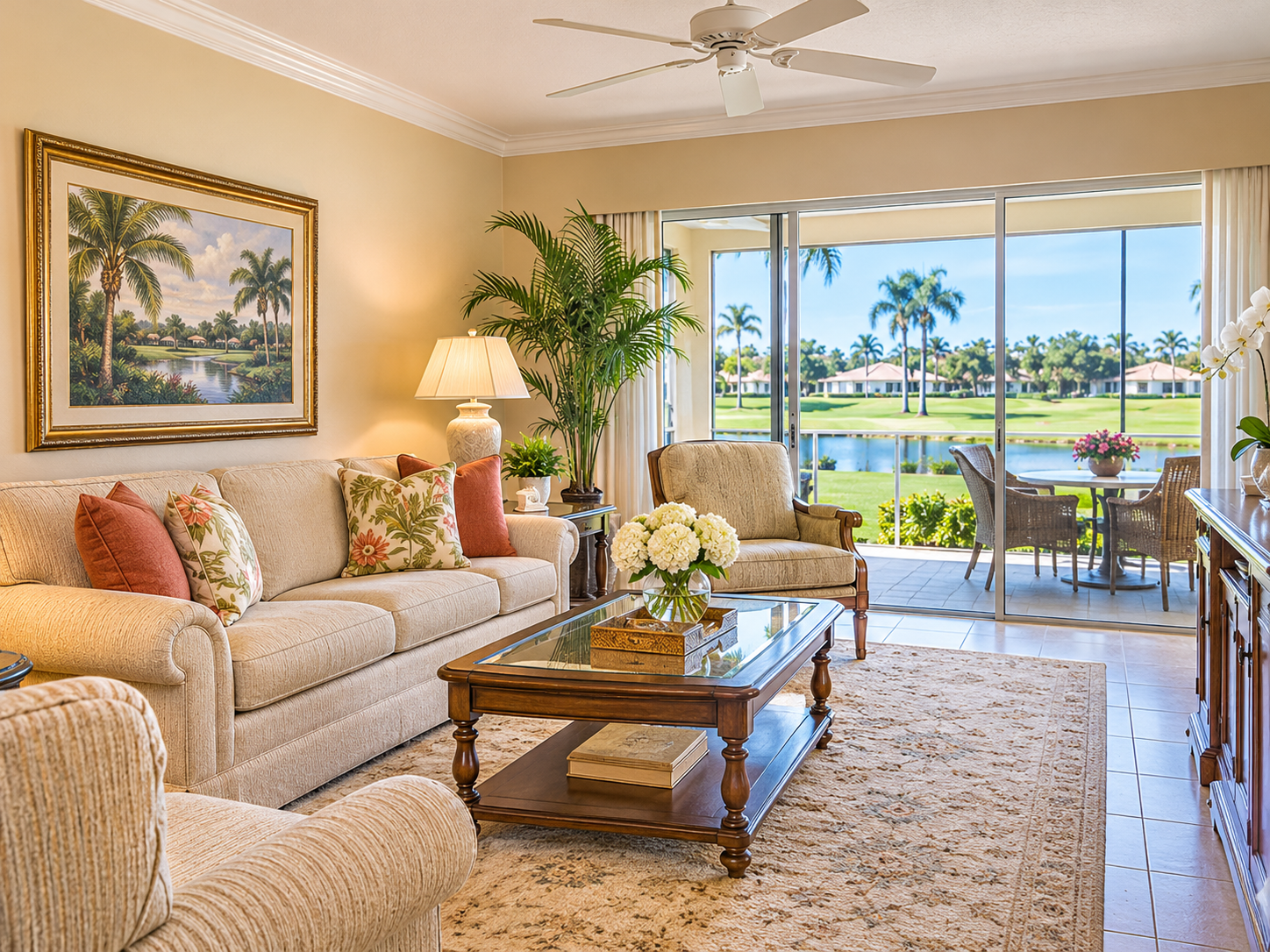
Every homeowner naturally wants to maximize their return, particularly when they've invested time and money improving their property.
However, the amount spent on renovations doesn't necessarily translate dollar for dollar into increased market value. Buyers may appreciate those improvements, but they're also comparing location, floor level, views, condition, furnishings, and the overall appeal of competing properties.
*Buyers don't shop based on what a seller needs or hopes to receive. They compare what their money can buy.
And when a property is priced beyond what buyers perceive as reasonable value, they often move on to the next opportunity.
What I'm Seeing in Today's Market
Recently, I've watched comparable properties enter the market with very different pricing strategies. Some remain available while others are attracting serious interest and moving toward a potential sale.
The difference isn't always the property itself. Often, it's how that property was positioned in the market from the beginning.
Pricing is certainly important, but so are presentation, professional photography, marketing exposure, and understanding what buyers in that particular neighborhood are looking for.
Even within Foxfire Golf & Country Club, properties that appear similar on paper can have meaningful differences that affect buyer demand.
That's why I believe pricing a home requires much more than simply looking at what another homeowner is asking.
Being Listed for Sale Isn't the Same as Being Positioned to Sell
Putting a home on the market is relatively straightforward.
Positioning it to sell requires research, preparation, strategy, and an understanding of buyer behavior.
After more than two decades in real estate, including 15 years specializing in Foxfire, I've learned that successful pricing isn't about choosing the highest number a seller hopes to achieve.
It's about identifying the price and strategy most likely to attract qualified buyers while protecting the seller's financial interests. And sometimes, that means having an honest conversation about what the market is telling us—even when it's not what a homeowner initially hoped to hear.
Thinking About Selling?

Before deciding what your home might be worth, let's look beyond the asking prices of neighboring properties.
Let's examine what has actually sold, what remains available, how long competing properties have been on the market, and what makes your home different.
Because there's a significant difference between having your home listed for sale and having it strategically positioned to sell.
My goal is always to help you achieve the best possible outcome—not simply put another sign in the yard.
The right strategy doesn't guarantee an immediate sale, but it can make all the difference in how your home competes in today's market.


